Email : info@gmail.com


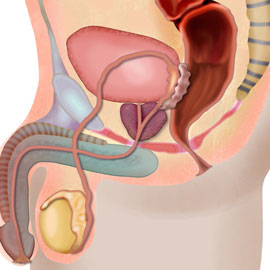
Stricture Urethra is a medical condition that affects the urethra, the tube responsible for carrying urine from the bladder out of the body. This condition can lead to various urinary problems, making it essential to understand its causes, symptoms, and available treatment options. In this article, we will delve into the intricacies of Stricture Urethra to provide you with a comprehensive overview.
Table of Contents
Introduction
The urethra plays a crucial role in the urinary system, and any disruption in its function can have a significant impact on one’s daily life. Stricture Urethra is one such condition, characterized by the narrowing or scarring of the urethra, leading to urinary difficulties. This article aims to shed light on this condition and help you navigate the complexities associated with it.
What is Stricture Urethra?
Stricture Urethra, often referred to as urethral stricture, is a condition where the urethra narrows or becomes obstructed due to scarring or inflammation. This narrowing can impede the flow of urine from the bladder, leading to various urinary problems.
Causes of Stricture Urethra
Understanding the causes of Stricture Urethra is essential for effective management and prevention. Some common causes include:
- Trauma: Injuries to the pelvic area or a history of catheterization can lead to scarring and stricture development.
- Infections: Repeated or severe urinary tract infections can cause inflammation and scarring in the urethra.
- Sexually Transmitted Infections: Certain STIs, such as gonorrhea or chlamydia, can contribute to the development of Stricture Urethra.
- Idiopathic: In some cases, the cause remains unknown, termed idiopathic.
- Medical Procedures: Previous surgeries or medical procedures involving the urethra can lead to scarring.
Symptoms of Stricture Urethra
Identifying the symptoms of Stricture Urethra is crucial for early diagnosis and treatment. Common symptoms include:
- Decreased urine flow
- Frequent urination
- Incomplete emptying of the bladder
- Pain or discomfort during urination
- Urinary retention (inability to urinate)
- Urinary tract infections
Diagnosis
If you experience these symptoms, consult a healthcare professional who can perform various diagnostic tests, including a urethrogram, cystoscopy, and urinalysis to confirm the diagnosis.
Treatment Options
The treatment of Stricture Urethra depends on its severity. Some treatment options include:
- Dilation: This involves the use of a catheter to stretch the urethra, improving urine flow.
- Urethroplasty: A surgical procedure to remove the strictured part of the urethra and reconstruct it.
- Endoscopic Procedures: Minimally invasive techniques can be used to treat less severe strictures.
- Medications: In some cases, medications can help alleviate symptoms.
Frequently Asked Questions
Q: Can Stricture Urethra be prevented?
A: While not all cases can be prevented, practicing safe sex and promptly treating urinary tract infections can reduce the risk.
Q: Is Stricture Urethra a common condition?
A: Yes, Stricture Urethra is relatively common, and it can affect people of all ages.
Q: Are there any long-term complications?
A: If left untreated, Stricture Urethra can lead to more severe urinary problems, so early diagnosis and treatment are crucial.
Q: How is Stricture Urethra diagnosed?
A: Diagnosis typically involves medical history, physical examination, and various tests, as mentioned earlier.
Q: Can Stricture Urethra come back after treatment?
A: In some cases, Stricture Urethra may reoccur, requiring further treatment.
Q: Are there any home remedies for managing Stricture Urethra?
A: It’s important to consult a healthcare professional for proper treatment. Home remedies are generally not recommended for this condition.
Conclusion
Stricture Urethra is a challenging condition that can disrupt your daily life. Recognizing the causes, symptoms, and treatment options is crucial to managing this condition effectively. If you suspect you have Stricture Urethra, seek medical attention promptly. With the right treatment and care, you can regain control of your urinary health.