Email : info@gmail.com


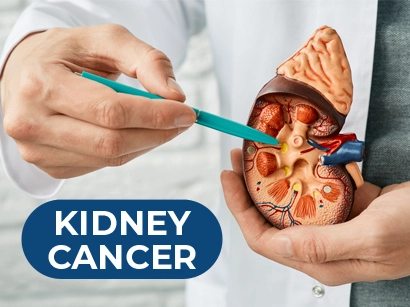
Kidney cancer is a life-altering diagnosis, but with the right information and guidance, individuals and their families can navigate this challenging journey more effectively. In this article, we’ll explore kidney cancer in-depth, addressing essential topics such as risk factors, early signs, treatment options, and frequently asked questions.
Kidney Cancer: An Overview
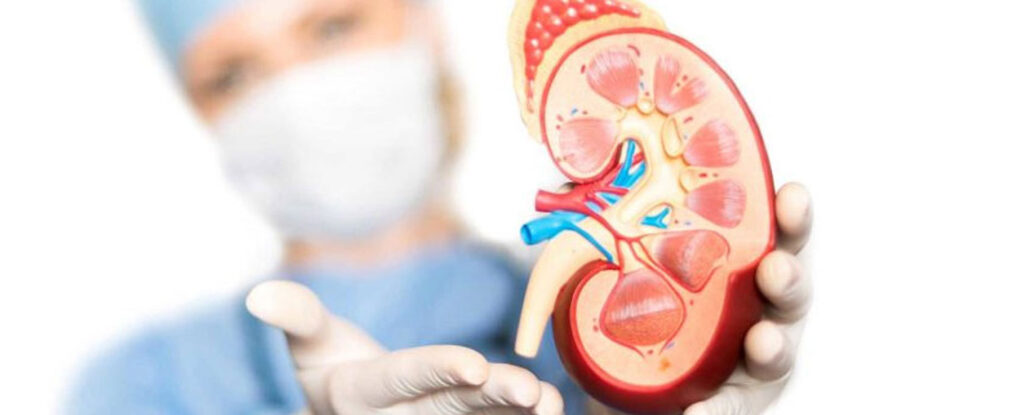
Kidney cancer, also known as renal cell carcinoma, is a malignancy that originates in the kidneys. These vital organs play a crucial role in filtering blood, removing waste, and maintaining overall health.
Understanding Kidney Cancer
Kidney cancer occurs when normal kidney cells transform into cancerous cells. These abnormal cells multiply, forming a tumor. The exact cause of kidney cancer is often unclear, but certain risk factors, such as smoking, obesity, and a family history of the disease, can increase the likelihood of its development.
Risk Factors
- Tobacco Use: Smoking is a major risk factor for kidney cancer. The harmful substances in tobacco can damage the kidneys over time.
- Obesity: Being overweight increases the risk of kidney cancer, possibly due to hormonal changes and excess fat cells.
- Family History: A family history of kidney cancer can raise your risk. Genetic factors may play a role in its development.
- High Blood Pressure: Hypertension is associated with a higher risk of kidney cancer. It can strain the kidneys and potentially lead to cancer.
- Gender: Men are more likely to develop kidney cancer than women.
Early Signs and Symptoms
Kidney cancer is often challenging to detect in its early stages because symptoms may not manifest until the disease has progressed. Common signs and symptoms include:
- Blood in the urine
- Unexplained weight loss
- Fatigue
- Persistent pain in the side or lower back
If you experience any of these symptoms, it’s crucial to consult a healthcare professional for further evaluation.
Prevention and Lifestyle
Preventing kidney cancer involves making healthy lifestyle choices and minimizing risk factors.
Healthy Diet
A diet rich in fruits, vegetables, and whole grains can contribute to overall health and may reduce the risk of kidney cancer.
Regular Exercise
Physical activity is essential for maintaining a healthy weight and reducing the risk of obesity-related kidney cancer.
Smoking Cessation
Quitting smoking can significantly lower your risk of kidney cancer and improve your overall health.
Kidney Cancer Treatment
Once diagnosed with kidney cancer, various treatment options are available, depending on the cancer’s stage and the patient’s overall health.
Surgery
Surgery is the primary treatment for localized kidney cancer. A surgeon removes the tumor, part of the kidney, or the entire kidney.
Targeted Therapy
Targeted therapy drugs are designed to block specific proteins involved in cancer cell growth.
Immunotherapy
Immunotherapy stimulates the body’s immune system to recognize and attack cancer cells.
Radiation Therapy
Radiation therapy uses high-energy rays to destroy cancer cells.
FAQs about Kidney Cancer
Q: Can kidney cancer be prevented?
A: While you can’t always prevent kidney cancer, adopting a healthy lifestyle and avoiding known risk factors can reduce your risk.
Q: What are the survival rates for kidney cancer?
A: The survival rate for kidney cancer varies depending on the stage at diagnosis. Early detection often leads to more favorable outcomes.
Q: How is kidney cancer diagnosed?
A: Diagnostic tests for kidney cancer include imaging studies like CT scans and MRIs, as well as a biopsy to confirm the diagnosis.
Q: What is the most common age for kidney cancer diagnosis?
A: Kidney cancer is most commonly diagnosed in people over the age of 45, with the risk increasing as individuals get older.
Q: Is kidney cancer hereditary?
A: While kidney cancer can run in families, it is not always hereditary. Some cases are due to genetic mutations, while others are linked to lifestyle and environmental factors.
Q: What support is available for kidney cancer patients and their families?
A: Various organizations and support groups offer assistance, information, and emotional support to kidney cancer patients and their loved ones.
Conclusion
In conclusion, kidney cancer is a complex disease with various risk factors, symptoms, and treatment options. Early detection and a proactive approach to a healthy lifestyle can significantly reduce the risk of kidney cancer. For those diagnosed, ongoing research and advancements in treatment offer hope and a chance for a better quality of life.