Email : info@gmail.com



Prostate cancer is a prevalent issue among men worldwide. Understanding this condition, its risk factors, detection methods, treatment options, and prevention strategies is crucial for maintaining optimal health. In this comprehensive guide, we delve into all aspects of prostate cancer, providing insights based on expertise and credible sources.
Table of Contents
Prostate Cancer
Prostate cancer is a type of cancer that develops in the prostate, a small walnut-shaped gland in the male reproductive system. It is one of the most common cancers among men, but with early detection and appropriate treatment, the prognosis is often positive.
Risk Factors
Several risk factors can increase the likelihood of developing prostate cancer, including:
- Age: Prostate cancer risk increases with age, and it is more common in men over 50.
- Family History: A family history of prostate cancer can elevate your risk.
- Race/Ethnicity: African American men have a higher risk of prostate cancer.
- Diet: A diet high in red meat and low in fruits and vegetables may contribute.
- Genetics: Some genetic mutations can increase susceptibility.
Symptoms
Prostate cancer may not show symptoms in its early stages. However, as it progresses, you may experience:
- Urinary Problems: Such as frequent urination, weak urine flow, or blood in the urine.
- Erectile Dysfunction: Difficulty achieving or maintaining an erection.
- Pain: In the lower back, hips, or pelvis.
- Bone Pain: Indicating the cancer may have spread.
Detection and Diagnosis
Early detection is vital for favorable outcomes. Common methods for detecting prostate cancer include:
- PSA Test: A blood test measuring prostate-specific antigen levels.
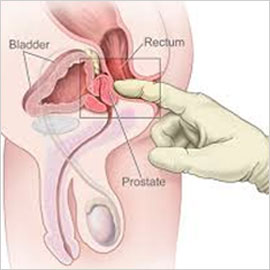
- Digital Rectal Examination (DRE): A physical examination of the prostate through the rectum.
- Biopsy: A sample of prostate tissue is examined under a microscope.
Treatment Options
Prostate cancer treatment varies depending on the stage and aggressiveness of the cancer. Common treatment options include:
- Active Surveillance: Monitoring the cancer’s progression without immediate treatment.
- Surgery: Removal of the prostate gland (prostatectomy).
- Radiation Therapy: Targeting cancer cells with high-energy rays.
- Hormone Therapy: Reducing the levels of hormones that fuel cancer growth.
- Chemotherapy: Medications to kill cancer cells.
FAQs
What causes prostate cancer?
Prostate cancer’s exact cause is unknown, but it’s believed to result from a combination of genetic, environmental, and lifestyle factors.
Can prostate cancer be prevented?
While there is no guaranteed prevention, a healthy diet, regular exercise, and early detection through screenings can lower the risk.
Is prostate cancer always symptomatic?
No, prostate cancer can be asymptomatic, especially in its early stages, which is why regular screenings are important.
What is the survival rate for prostate cancer?
The 5-year survival rate for prostate cancer is nearly 100% when detected at an early, localized stage.
Are there alternative therapies for prostate cancer?
Some individuals explore complementary therapies like acupuncture and dietary changes, but these should be discussed with a healthcare provider.
Is prostate cancer curable?
Prostate cancer is often treatable, and many men go on to live cancer-free lives, especially when detected and treated early.
Conclusion
Prostate cancer is a significant health concern for men, but with regular check-ups, early detection, and access to various treatment options, the outlook is promising. Prioritizing a healthy lifestyle, knowing the risk factors, and understanding the importance of screenings are key to minimizing the impact of this condition on your life.