Email : info@gmail.com


Urinary Tract Infection (UTI) is a common and uncomfortable condition that affects millions of people every year. This article is your go-to resource for understanding UTIs. We’ll cover the causes, symptoms, prevention, and treatment of UTIs. With this information, you’ll be well-equipped to prevent and manage UTIs effectively.
What is Urinary Tract Infection?
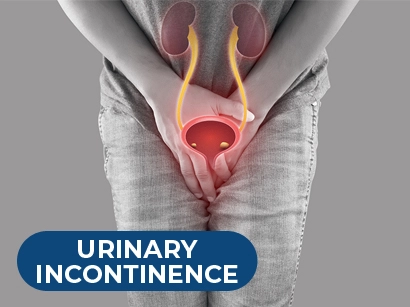
A UTI, or Urinary Tract Infection, is an infection that can occur anywhere in the urinary system. This includes the bladder, urethra, and kidneys. UTIs are most commonly found in the bladder and urethra. These infections are primarily caused by bacteria, with E. coli being the most frequent culprit.
UTIs can affect people of all ages and genders, but they are more prevalent in women due to the shorter length of their urethras, which makes it easier for bacteria to reach the bladder.
Common Symptoms of UTIs
UTIs can manifest with various symptoms, including:
- Frequent Urination: You may feel the urge to urinate often, even when your bladder is not full.
- Burning Sensation: A burning sensation during urination is a classic symptom.
- Cloudy Urine: Urine may appear cloudy or have a strong odor.
- Pelvic Pain: Some individuals experience discomfort in the lower abdomen.
- Blood in Urine: Hematuria, or blood in the urine, can be a sign of a UTI.
Causes of UTIs
Understanding the causes of UTIs is crucial in preventing them. The most common causes include:
- Bacterial Invasion: The majority of UTIs are caused by bacteria entering the urinary tract.
- Holding in Urine: Not emptying your bladder when you have the urge can lead to infection.
- Sexual Activity: Sexual intercourse can introduce bacteria into the urethra.
Preventing UTIs
Prevention is essential when it comes to UTIs. Follow these tips to reduce your risk:
- Stay Hydrated: Drinking plenty of water helps flush bacteria out of your urinary tract.
- Urinate Regularly: Don’t hold in urine for extended periods.
- Wipe Properly: Always wipe from front to back to prevent the spread of bacteria.
- Empty Bladder After Sex: Urinating after sexual activity can help eliminate any bacteria that may have entered the urethra.
Diagnosing a UTI
If you suspect you have a UTI, it’s crucial to seek medical advice. A healthcare provider can diagnose UTIs through a simple urine test. They will prescribe the appropriate treatment based on the results.
Treatment for UTIs
The treatment for UTIs typically involves a course of antibiotics to eliminate the infection. It’s essential to complete the entire course of antibiotics prescribed, even if you start feeling better before finishing them. This ensures that all bacteria are eradicated.
FAQs (Frequently Asked Questions)
Q: Are UTIs contagious?
A: No, UTIs are not contagious. They result from the presence of bacteria in the urinary tract, not from person-to-person contact.
Q: Can men get UTIs?
A: Yes, men can get UTIs, although they are more common in women.
Q: Can I prevent UTIs through diet?
A: While diet can impact overall health, it’s not a foolproof way to prevent UTIs. Staying hydrated is more important.
Q: How long does it take to recover from a UTI?
A: With appropriate antibiotic treatment, most people start feeling better within a day or two. However, it’s essential to complete the entire course of antibiotics.
Q: Can cranberry juice help prevent UTIs?
A: Some studies suggest that cranberry juice may help prevent UTIs by reducing the adherence of bacteria to the urinary tract. However, it’s not a guaranteed prevention method.
Q: What should I do if I frequently get UTIs?
A: If you have recurrent UTIs, consult a healthcare professional. They may recommend further evaluation and preventive measures.
Conclusion
Urinary Tract Infections can be painful and disruptive, but with proper knowledge and preventive measures, you can significantly reduce your risk. Remember to stay hydrated, practice good hygiene, and seek prompt medical attention if you suspect a UTI. By following these guidelines, you can maintain a healthy urinary tract and overall well-being.